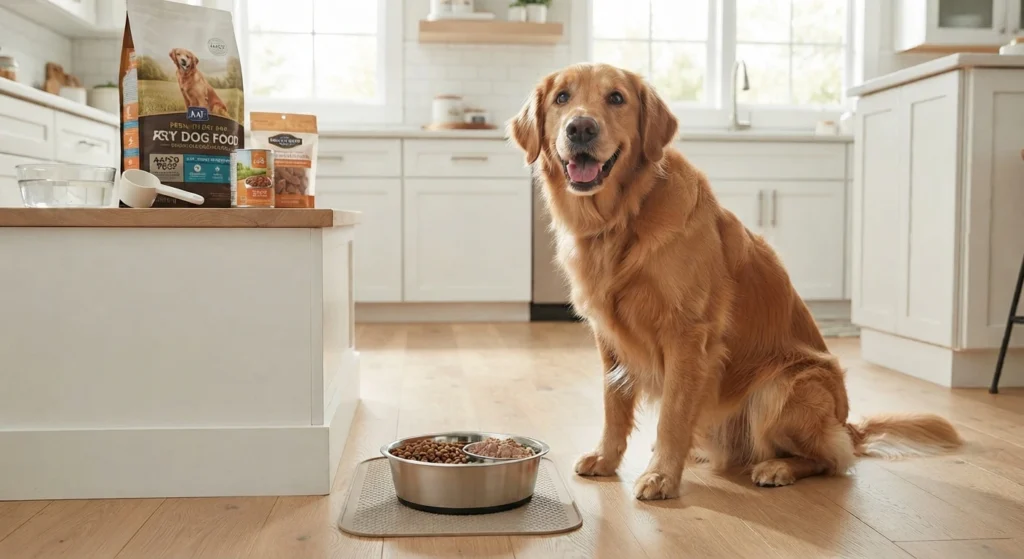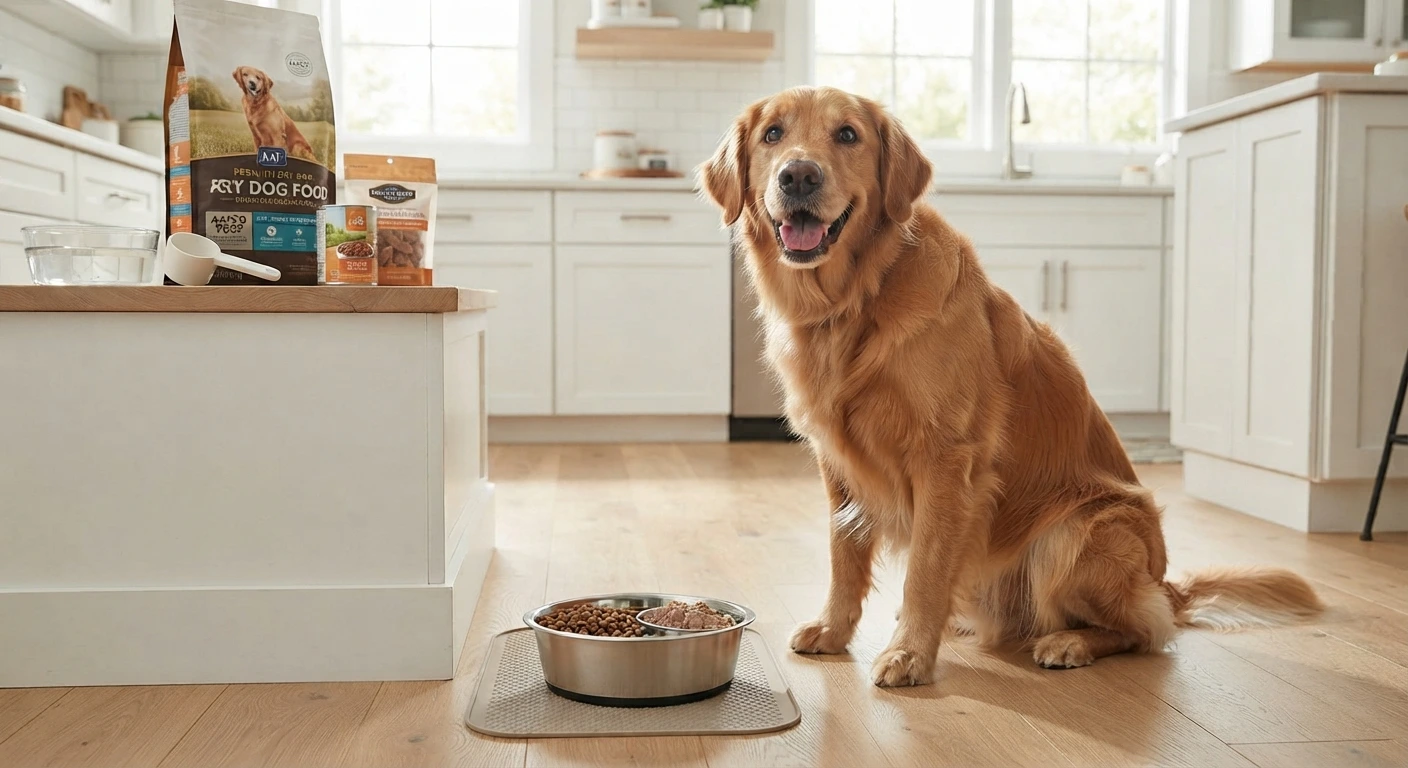
Introduction
Every dog deserves nutritious food, fresh water, and loving care. However, choosing the right dog food can sometimes feel confusing because American pet stores and online shops offer hundreds of different options.
From dry kibble and wet food to grain-inclusive and specialized diets, every product has different features. The best choice depends on your dog’s age, size, activity level, and individual health needs.
In this guide, we’ll explain how to choose suitable dog food and build healthy feeding habits.
1. Understand Your Dog’s Nutritional Needs
Dogs need a balanced combination of protein, fats, carbohydrates, vitamins, minerals, and water.
Protein supports normal growth and maintenance of body tissues. Fats provide energy and essential fatty acids. Vitamins and minerals support several important body functions.
Choose food formulated specifically for dogs and appropriate for their life stage.
2. Choose Food According to Age
Different life stages require different nutritional considerations.
Puppies: Growing puppies need food formulated for growth and development. Large-breed puppies may need specially formulated food to support appropriate growth.
Adult dogs: Adult dogs generally need food formulated for maintenance. Their calorie requirements depend on their activity level and body condition.
Senior dogs: Older dogs may benefit from adjustments in calories or nutrients depending on their health and activity levels. Ask your veterinarian before making major dietary changes.
3. Dry Food vs. Wet Food
Both dry and wet dog food can be appropriate when properly formulated.
Dry dog food:
- Convenient to measure and serve.
- Easy to store.
- Often suitable for feeding through puzzle toys.
- Usually contains less moisture than canned food.
Wet dog food:
- Contains more moisture.
- Offers different textures and flavors.
- Can be useful for dogs that prefer softer food.
- Requires appropriate refrigeration after opening.
Some owners use a combination of wet and dry food. Make sure the total daily amount provides appropriate nutrition without excessive calories.
4. Learn to Read Dog Food Labels
Before purchasing dog food, examine the packaging carefully.
Look for:
- The intended animal species.
- The nutritional adequacy statement.
- The intended life stage.
- Feeding directions.
- Calorie information.
- Ingredient information.
Look for a statement that the food is complete and balanced for the appropriate life stage. AAFCO nutritional adequacy information can help consumers understand how a product is formulated or evaluated.
5. Establish a Healthy Feeding Routine
Consistency makes feeding easier for both dogs and owners.
Try to:
- Feed your dog at consistent times.
- Measure meals rather than guessing.
- Provide clean drinking water.
- Monitor body condition.
- Avoid giving too many treats.
- Adjust portions with veterinary guidance when necessary.
6. Foods Dogs Should Avoid
Some common human foods can be dangerous for dogs.
Never intentionally feed dogs chocolate, grapes, raisins, onions, garlic, xylitol-containing products, or alcohol.
If your dog eats something potentially toxic, contact your veterinarian or an animal poison control service promptly.
Conclusion
Choosing appropriate dog food is one of the most important parts of responsible pet ownership. By understanding your dog’s nutritional needs, reading food labels, and maintaining a consistent feeding routine, you can support your companion’s everyday well-being.
At PetVellora, we believe happy pets start with thoughtful nutrition and loving care.