Introduction
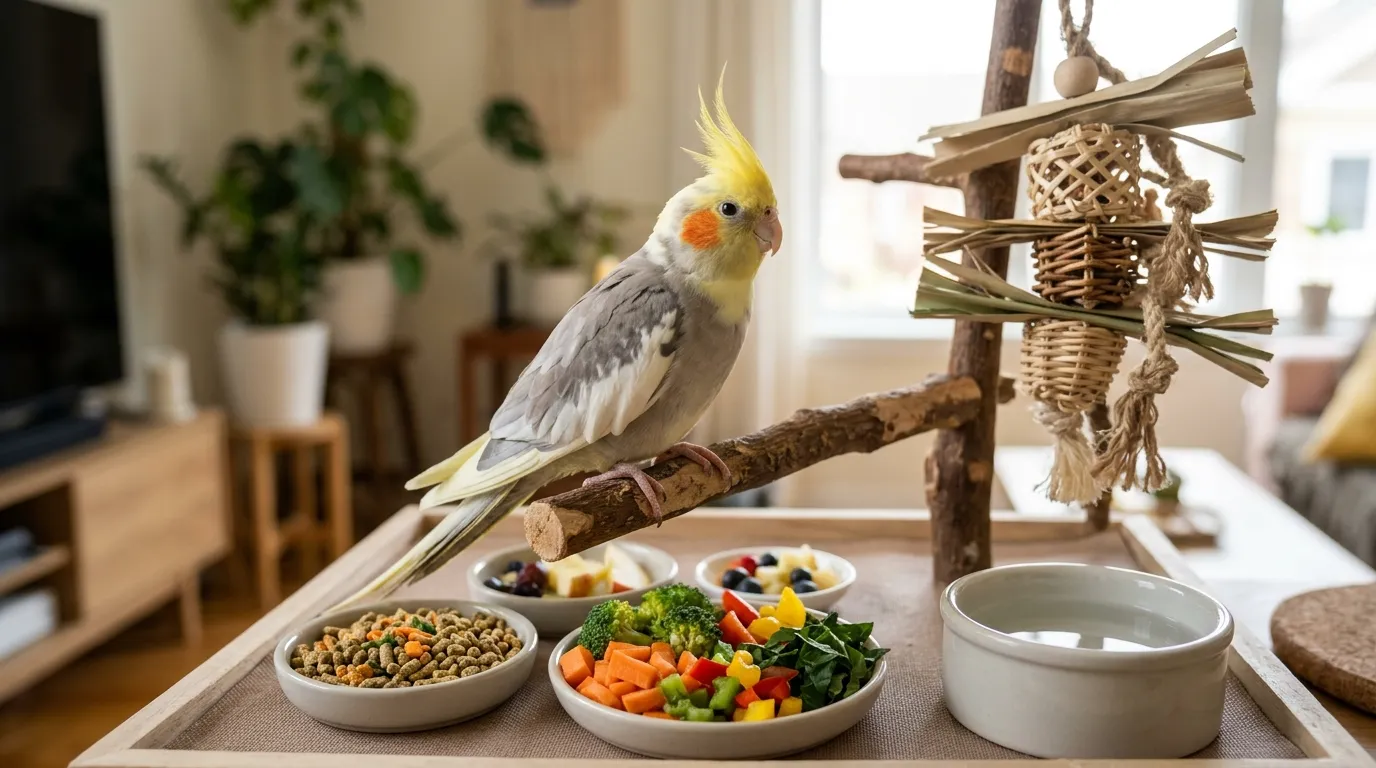
Pet birds are intelligent, social, and fascinating companions. Whether you own a budgie, cockatiel, lovebird, or parrot, providing proper nutrition is essential for their everyday well-being.
Different bird species have different nutritional requirements. A diet suitable for one bird may not be appropriate for another.
Understanding your bird’s food requirements is an important part of responsible bird ownership.
1. Choose Food Suitable for Your Bird Species
The first step is selecting food formulated for your particular bird.
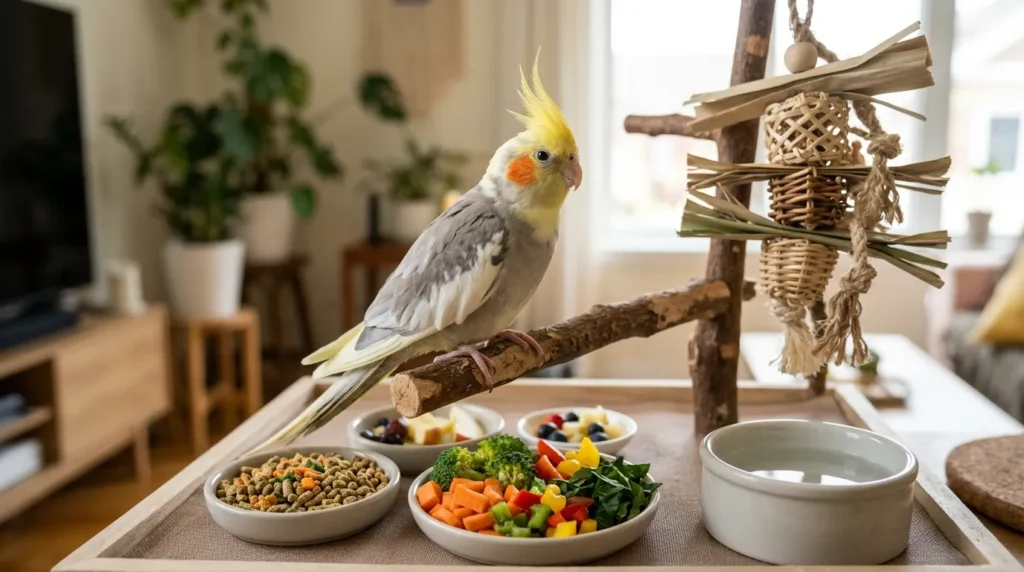
Many companion birds benefit from appropriately formulated commercial pellets as a dietary foundation, although individual requirements differ by species and health condition.
Ask an avian veterinarian to help determine the correct diet for your bird.
2. Introduce Suitable Fresh Vegetables
Many pet birds enjoy a variety of fresh vegetables.
Depending on the species, suitable options may include:
- Carrots.
- Broccoli.
- Bell peppers.
- Leafy greens.
- Green beans.
- Squash.
Wash vegetables thoroughly and serve them in suitable portions.
Remove uneaten fresh food promptly to prevent spoilage.
3. Are Seeds Good for Pet Birds?
Seeds are popular bird foods, but an all-seed diet is not nutritionally appropriate for many companion bird species.
Some birds may consume too much fat and miss important nutrients when their diets rely heavily on seeds.
Use seeds according to species-specific dietary guidance rather than treating them as the entire diet.
4. Can Pet Birds Eat Fruits?
Some fruits can be offered as occasional additions to a suitable diet.
Examples include:
- Apples without seeds.
- Blueberries.
- Strawberries.
- Papaya.
- Mango.
Wash fruit carefully and serve small portions.
Avoid avocado, chocolate, caffeine, alcohol, and foods containing excessive salt or sugar.
5. Always Provide Fresh Drinking Water
Birds need regular access to clean water.
Change drinking water daily and clean water containers frequently.
Some birds enjoy bathing in shallow water dishes, while others prefer gentle misting with clean water.
Use only methods appropriate for your bird’s species and comfort.
6. Maintain a Clean Feeding Environment
Food hygiene is extremely important for pet birds.
Helpful habits include:
- Wash food bowls regularly.
- Remove spoiled fresh foods.
- Keep dry food in a clean, dry storage area.
- Avoid feeding moldy or contaminated food.
- Wash your hands before preparing meals.
- Clean food and water containers frequently.
7. Other Important Bird Care Habits
Daily interaction: Spend time interacting with your bird in a calm and positive way.
Mental stimulation: Provide appropriate toys and foraging opportunities.
Exercise: Offer safe opportunities for movement and flight where suitable.
Sleep: Maintain a consistent, quiet sleep routine.
Veterinary care: Arrange regular checkups with an avian veterinarian.
Conclusion
A healthy pet bird needs appropriate food, fresh water, clean surroundings, and regular enrichment.
Choose a diet suitable for your bird species and avoid relying entirely on seeds or occasional treats.
With consistent nutrition and attention, you can create a comfortable and stimulating environment for your feathered companion.
PetVellora is committed to helping pet owners discover practical ways to improve everyday pet care.